Navigating Geotechnical Engineering: Expert Insights and Solutions
- Hazwan Hamizan Azhari
- Apr 10
- 3 min read

Geotechnical engineering is a critical field that plays a vital role in the construction and infrastructure development sectors. It involves the study of soil and rock mechanics, which is essential for ensuring the stability and safety of structures. As urbanization continues to rise, the demand for geotechnical expertise is more significant than ever. This blog post aims to provide insights into the world of geotechnical engineering, exploring its importance, challenges, and innovative solutions.
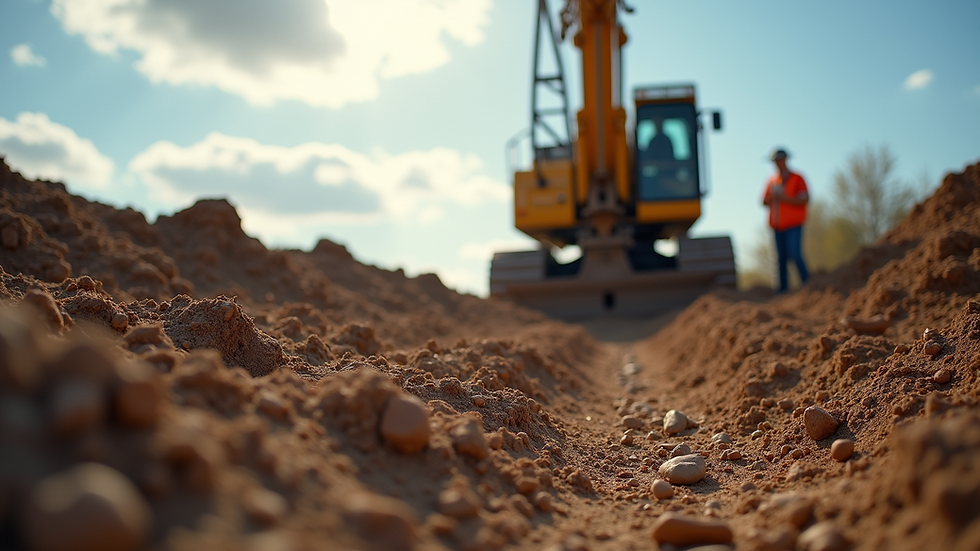
Understanding Geotechnical Engineering
Geotechnical engineering is the branch of civil engineering that focuses on the behavior of earth materials. It encompasses various activities, including:
Site Investigation: Assessing soil and rock properties to determine their suitability for construction.
Foundation Design: Designing foundations that can support structures safely and efficiently.
Slope Stability Analysis: Evaluating the stability of slopes to prevent landslides and other failures.
Earth Retaining Structures: Designing structures that hold back soil, such as retaining walls.
The Importance of Geotechnical Engineering
The significance of geotechnical engineering cannot be overstated. It ensures that structures are built on solid ground, minimizing the risk of failure. Here are some key reasons why geotechnical engineering is essential:
Safety: Proper geotechnical analysis helps prevent catastrophic failures, protecting lives and property.
Cost-Effectiveness: By identifying potential issues early, geotechnical engineers can recommend solutions that save time and money.
Sustainability: Geotechnical practices can contribute to sustainable construction by optimizing material use and minimizing environmental impact.
Common Challenges in Geotechnical Engineering
Despite its importance, geotechnical engineering faces several challenges:
Unpredictable Soil Conditions
Soil is a complex material that can vary significantly even within small areas. Unforeseen conditions, such as unexpected rock layers or groundwater, can complicate projects. Engineers must conduct thorough site investigations to mitigate these risks.
Environmental Concerns
Geotechnical projects often have environmental implications, such as soil erosion and groundwater contamination. Engineers must consider these factors and implement sustainable practices to minimize negative impacts.
Technological Advancements
The field of geotechnical engineering is continually evolving with new technologies. While these advancements can improve efficiency and accuracy, they also require engineers to stay updated and adapt to new methods.
Innovative Solutions in Geotechnical Engineering
To address the challenges faced in geotechnical engineering, professionals are turning to innovative solutions. Here are some noteworthy approaches:
Advanced Site Investigation Techniques
Utilizing technologies such as Ground Penetrating Radar (GPR) and Cone Penetration Testing (CPT) allows engineers to gather detailed information about subsurface conditions. These methods provide real-time data, enabling more informed decision-making.
Sustainable Design Practices
Incorporating sustainable design principles is becoming increasingly important. Techniques such as using recycled materials for construction and designing for minimal environmental impact are gaining traction in the industry.
Geosynthetics
Geosynthetics are synthetic materials used in geotechnical applications to improve soil stability and reduce erosion. They can be used in various applications, including reinforcement, drainage, and filtration.
Case Studies in Geotechnical Engineering
The Burj Khalifa
The Burj Khalifa in Dubai is a prime example of successful geotechnical engineering. The building's foundation required extensive soil testing and analysis due to its height and the challenging soil conditions. Engineers used a deep foundation system, including bored piles, to ensure stability.
The Big Dig
The Central Artery/Tunnel Project, known as the Big Dig in Boston, faced numerous geotechnical challenges. Engineers had to navigate complex soil conditions and groundwater issues while constructing tunnels beneath a densely populated urban area. Innovative techniques, such as slurry wall construction, were employed to manage these challenges effectively.
The Future of Geotechnical Engineering
As the field of geotechnical engineering continues to evolve, several trends are shaping its future:
Increased Use of Data Analytics
Data analytics is becoming integral to geotechnical engineering. By analyzing large datasets from site investigations, engineers can make more accurate predictions about soil behavior and project outcomes.
Emphasis on Resilience
With climate change posing new challenges, there is a growing emphasis on designing resilient structures. Geotechnical engineers are focusing on creating solutions that can withstand extreme weather events and other environmental stresses.
Collaboration Across Disciplines
Geotechnical engineering is increasingly collaborating with other engineering disciplines, such as environmental and structural engineering. This interdisciplinary approach leads to more comprehensive and effective solutions.
Conclusion
Geotechnical engineering is a vital field that ensures the safety and stability of our built environment. By understanding its importance, challenges, and innovative solutions, professionals can navigate this complex landscape effectively. As technology advances and environmental concerns grow, the role of geotechnical engineers will only become more critical.
For those interested in pursuing a career in geotechnical engineering, staying informed about industry trends and advancements is essential. Engaging with professional organizations and participating in ongoing education can provide valuable insights and networking opportunities.
By embracing innovation and collaboration, the future of geotechnical engineering looks promising, paving the way for safer and more sustainable infrastructure development.


Comments